

Present Project
Science Research Centre Pasifika-Chile
Mata Ki Te Rangi Foundation
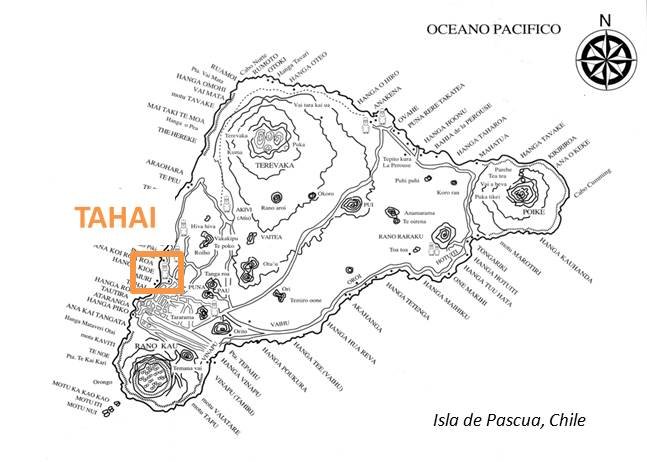
Location / Sector Tahai, Hanga Roa, Easter Island, Chile
INTRODUCTION
The Mata Ki Te Rangi Foundation has identified the urgent need to establish a permanent collaborative space where Pacific researchers, knowledge holders and partner institutions can exchange ideas, share findings and advance solutions to some of the region’s most pressing challenges. These include the impacts of climate change, environmental resilience and the preservation of the cultural and natural heritage of Rapa Nui and Oceania more broadly.
At present, no such dedicated research and collaboration center exists on Rapa Nui. Creating this space is considered both necessary and strategic to support the long-term sustainability of fragile and geographically isolated Pacific communities. By strengthening local and international cooperation, the center would serve as a platform for research, education, innovation and community engagement, particularly for future generations.
This initiative also builds upon the visionary legacy of Thor Heyerdahl, whose understanding of the Pacific interconnected environmental stewardship with cultural continuity long before these issues became global priorities. Today, those ideas are more relevant than ever and the Foundation is committed to transforming this vision into a lasting resource for future generations.
Continued support and investment will be essential to fully realize and complete the development of this research center, ensuring it can operate as a meaningful hub for collaboration, learning and action on Rapa Nui as well as across the Pacific region.
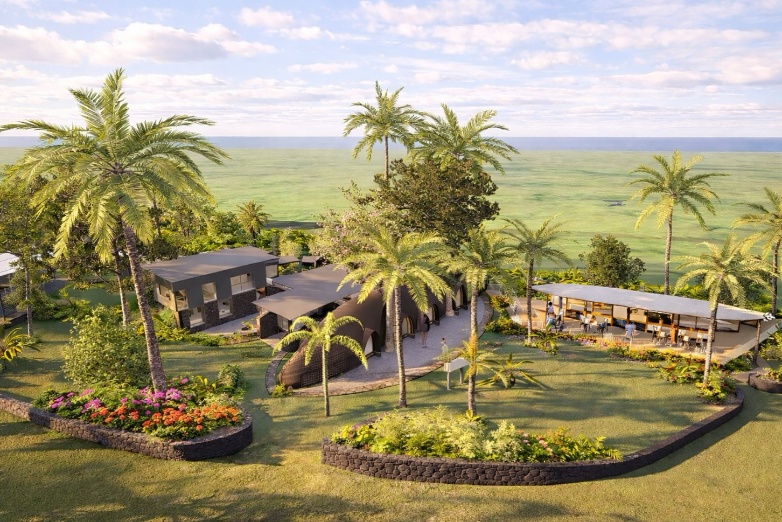
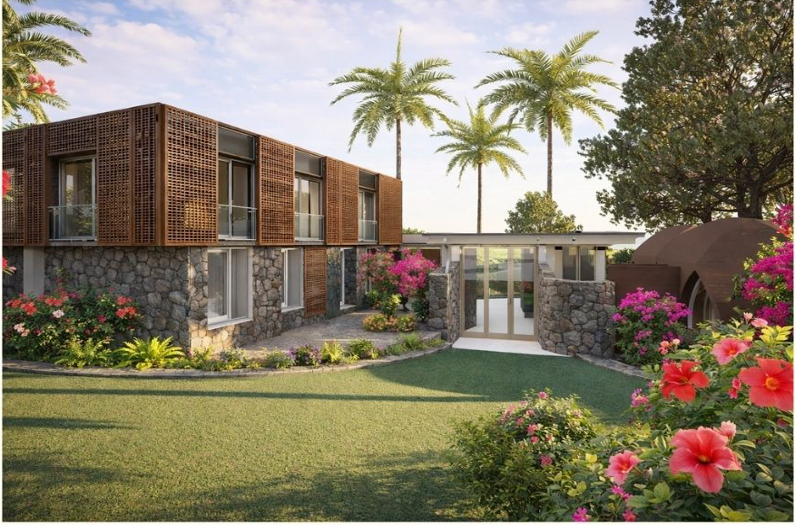
Design of the Science Research Centre Paskifika - Chile
P L A C E
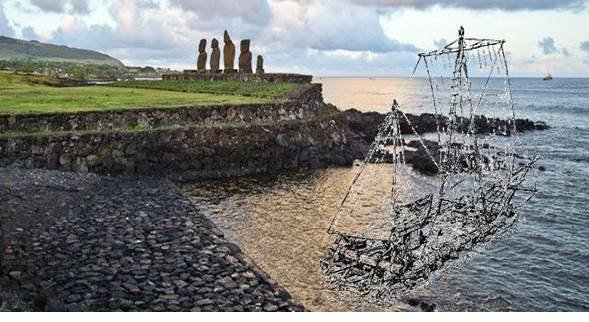
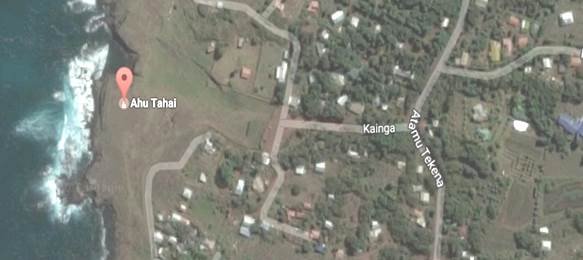
The proposed center is situated within one of the most culturally and historically significant landscapes of Rapa Nui, adjacent to the Tahai Ceremonial Complex. From this unique location, the site overlooks the three iconic ceremonial platforms that stand along the coastline, offering a direct connection to the island’s ancestral heritage and spiritual traditions.
Surrounding the area are the remains of the ancient settlement that once supported these ceremonial spaces, including traditional homes (hare), earth ovens and hearths (umu), residential caves (ana and karava), canoe ramps, and historic quarries (puku and papa). Together, these vestiges form a living cultural landscape that reflects centuries of knowledge, community life, navigation and environmental adaptation.
The significance of this location extends beyond its archaeological value. It provides an extraordinary setting where research, cultural preservation and education can coexist in direct dialogue with the history and identity of Rapa Nui. Establishing the center in this environment reinforces its role not only as a place of scientific collaboration, but also as a bridge between ancestral wisdom and contemporary solutions for the future of Pacific communities.
T E R R A I N
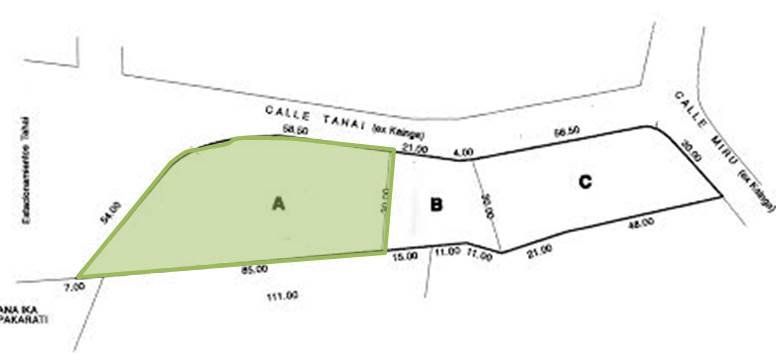
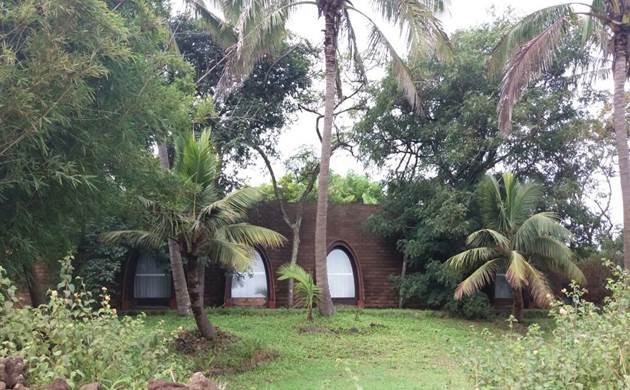
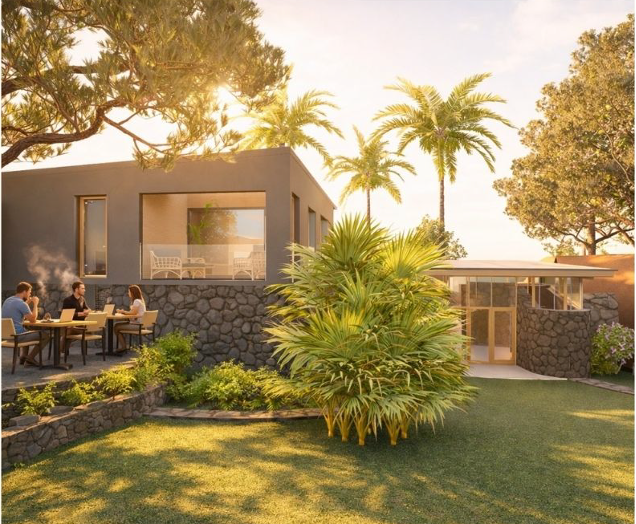
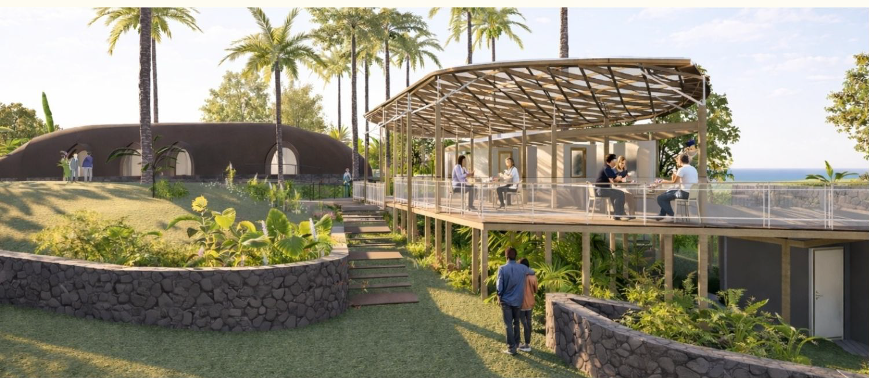
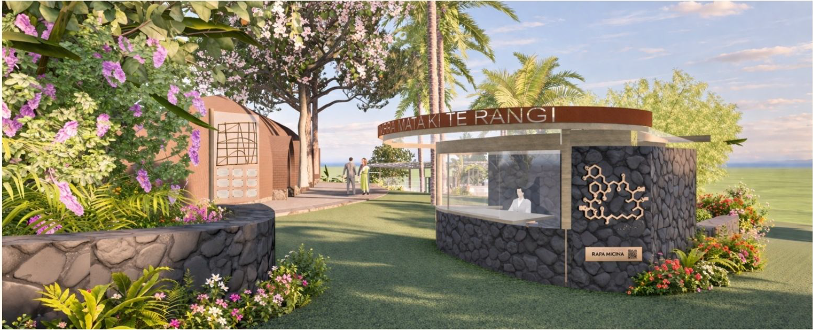
The project site includes an existing house that will be carefully remodeled and expanded to serve as the foundation of the future research center. The necessary permissions and authorizations for the development of the center have already been granted, representing an important milestone toward the realization of this initiative. In addition, funds have successfully been secured for the down payment of the property, demonstrating both local commitment and growing support for the project’s long-term vision.
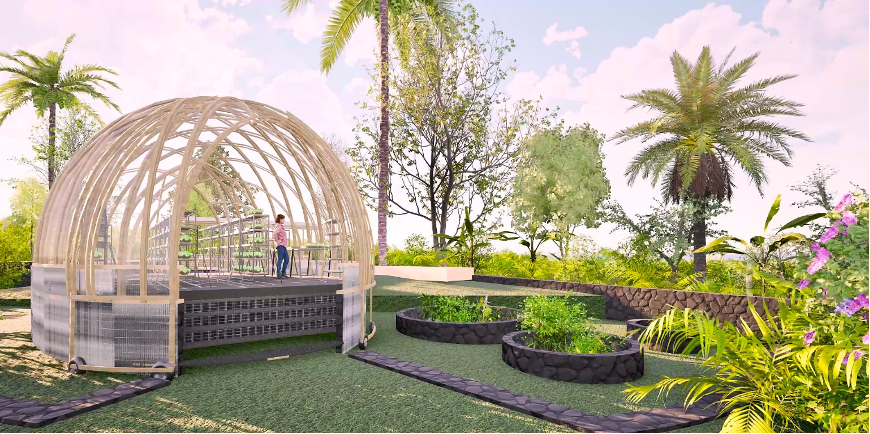
The current structure occupies approximately 30% of the land, leaving sufficient space for the thoughtful expansion of the center as well as the future development of complementary activities that may help generate income to support and partially subsidize ongoing operations and programming.
Special consideration will be given to the stewardship and protection of traditional land throughout all phases of construction and development. The project is committed to respecting local cultural values, environmental sustainability, and responsible land management practices in order to ensure that the surrounding landscape and community heritage are preserved for future generations.
Importantly, assessments have confirmed that there are no archaeological sites located on the property itself, allowing development to proceed while maintaining sensitivity to the broader cultural significance of the surrounding area.
EXISTING HOUSE
MAIN BUILDING
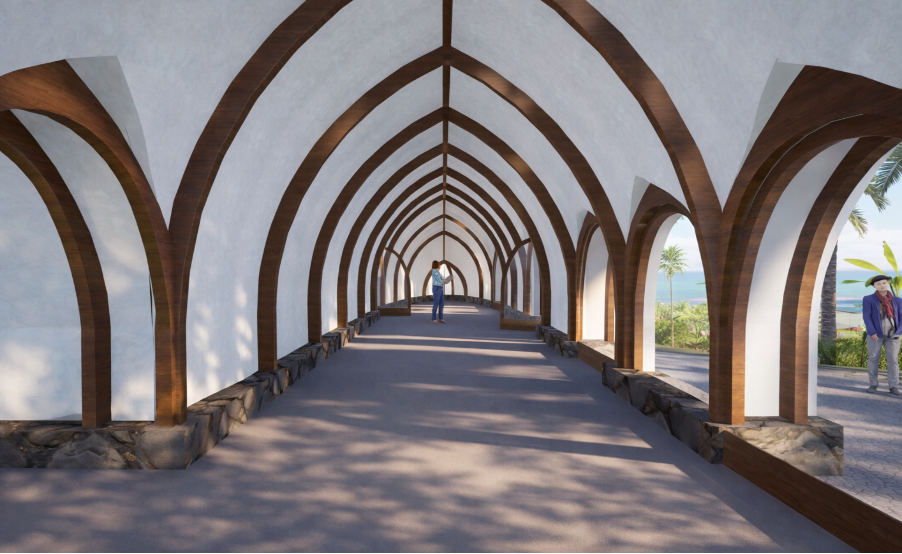
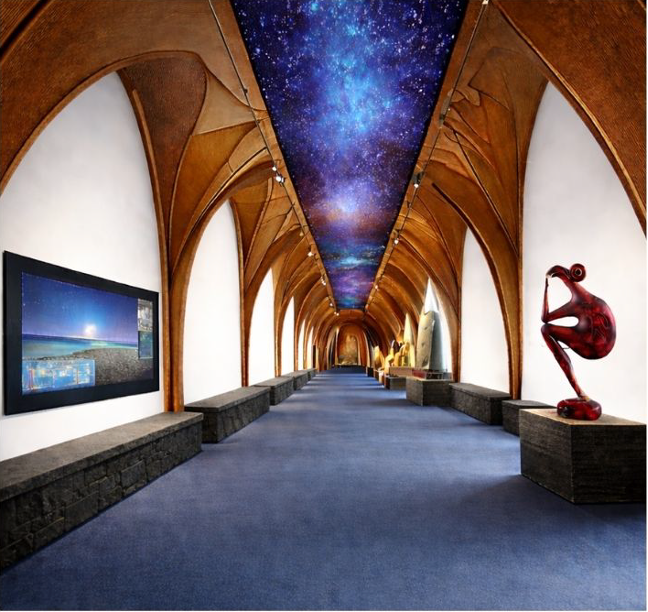
One of the most remarkable features of the existing house is its main nave, a 115 m² structure architecturally inspired by the ancient Hare Paenga—the traditional dwellings associated with the Rapanui elite during archaeological times. These iconic structures, deeply rooted in the island’s cultural identity, were designed to evoke the form of an overturned canoe, symbolizing the profound relationship between the Rapanui people, the ocean, and their voyaging heritage. By drawing from this ancestral architectural tradition, the house embodies far more than a functional space; it represents a meaningful connection to the history, ingenuity, and worldview of Rapa Nui. The preservation and adaptation of this design within the future research center reinforces the project’s commitment to honoring local heritage while creating a living space dedicated to cultural exchange, research, and learning.
Self-Sustaining Business Model
The centre is financially self-sustaining through research activity, education and visitor engagement. This includes:
HELP BUILD A LEGACY FOR RAPA NUI
Initial private funding has already supported land acquisition and early construction materials.
We are currently seeking additional partners who recognize the global importance of preserving cultural and environmental heritage. An additional USD $500,000 is needed to complete construction and core infrastructure.
Ways to Contribute
$10,000+ — Building materials and structural elements
$25,000+ — Research and learning spaces
$50,000+ — Major construction phases
$100,000+ — Core facilities establishment
For further information or to contribute, please contact: soniahaoa@gmail.com
Interested individuals are encouraged to download and share the project information brief with colleagues, institutions and potential supporters who may be interested in contributing to the development of the research center.
Expanding awareness through personal and professional networks is an important way to help build partnerships and generate the support needed to bring this vision to completion. Every shared connection helps strengthen the collective effort to create a lasting space for research, cultural preservation and collaboration on Rapa Nui and in the Pacific.
M a t a K i T e R a n g i
R A P A N U I FO U N D A T I O N